


UCR Faculty Member Chad Weidner and Alumna Olivia Doidge Publish in European Journal of American Studies
UCR Faculty Member Chad Weidner and Alumna Olivia Doidge Publish in European Journal of American Studies
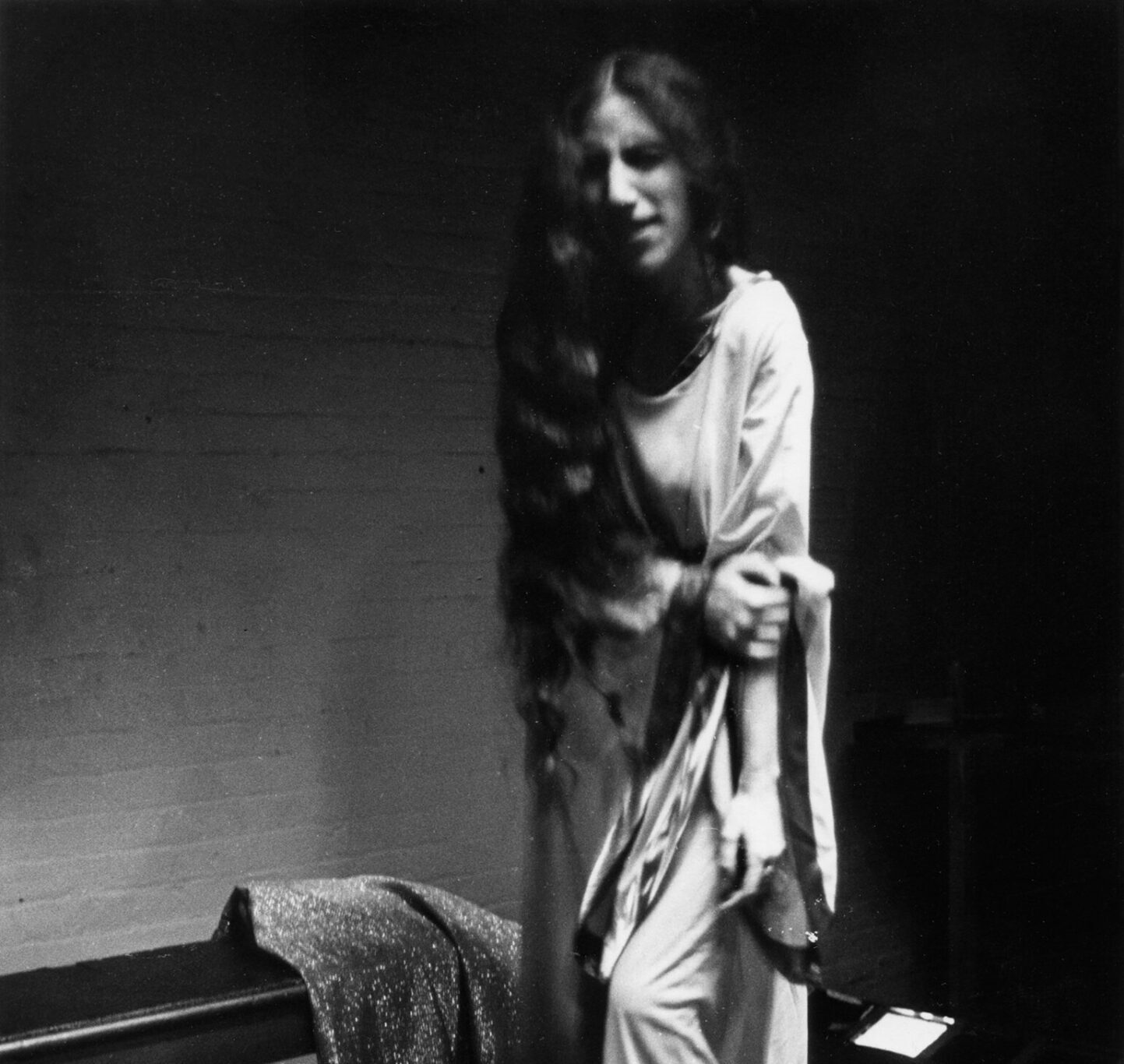
In a significant recent contribution to literary scholarship, the European Journal of American Studies has published a co-authored article by dr. Chad Weidner, Assistant Professor of Media and Communication at University College Roosevelt (UCR), and Olivia Doidge, UCR Class of 2024. Their paper, Fluid Roles and Fragmented Time in Diane di Prima’s “The Discontent of the Russian Prince”, appears in the journal’s latest volume and offers fresh insights into avant-garde Beat theatre.
The study re-examines Diane di Prima’s rarely discussed 1959 dramatic work, The Discontent of the Russian Prince, through the lenses of fragmentation, non-linear narrative, and gender fluidity. Weidner and Doidge highlight how the play’s structure and character dynamics disrupt traditional dramatic conventions and challenge fixed notions of identity and time. Their analysis places di Prima’s experimental drama within broader artistic and cultural movements of the mid-twentieth century, arguing that its innovative use of temporal rupture and ambiguous gender roles invites new readings of Beat literature.
For Weidner, this publication builds on his scholarly focus on media, culture and performance. As Assistant Professor of Media and Communication at UCR, he brings interdisciplinary perspectives that bridge literary analysis with contemporary critical theory.
Co-author Olivia Doidge, who graduated from UCR in 2024, contributed to the paper while completing her undergraduate studies in Middelburg. Her involvement underscores the college’s encouragement of student engagement in academic research that reaches international audiences.
Their collaboration on this article not only highlights UCR’s role in fostering rigorous scholarship, but also demonstrates the potential for undergraduate alumni to contribute meaningfully to peer-reviewed academic discourse.
Di Prima’s play, often overlooked in mainstream scholarship, is presented by the authors as a crucial site for understanding queer temporalities and performance practices within the Beat generation. Through careful textual analysis and theoretical framing, the article invites further academic engagement with under-represented works in American studies.
The full article is available online through the European Journal of American Studies.