


What does daily student life in Middelburg look like?
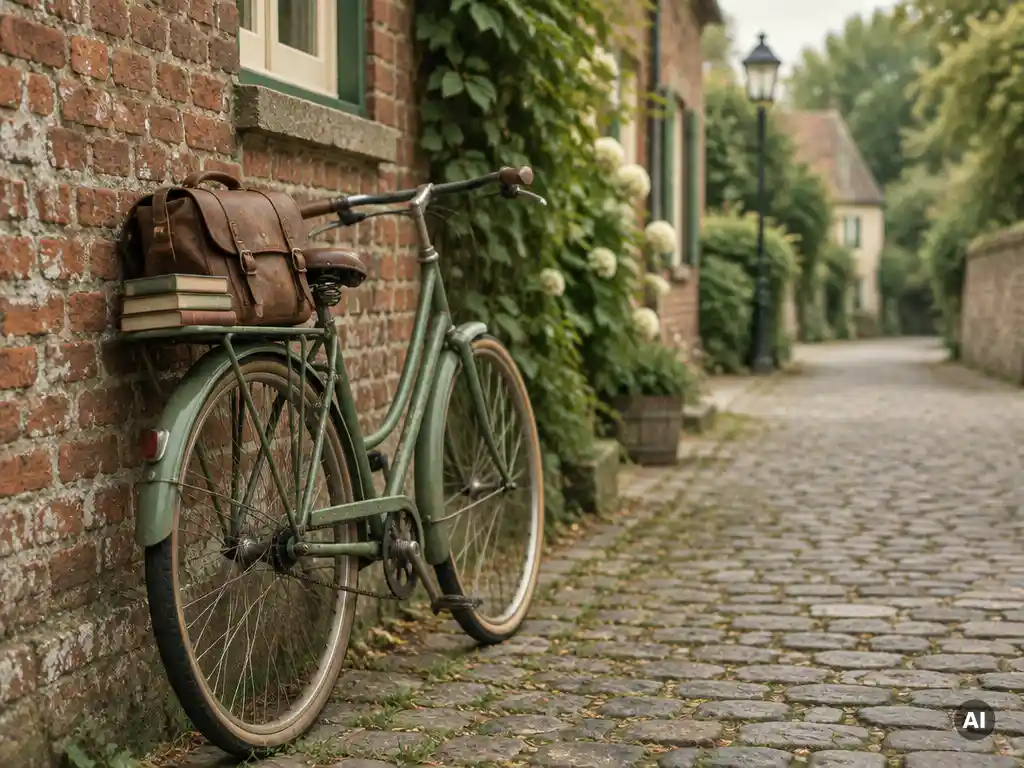
Daily student life in Middelburg is compact and walkable. Lectures, housing, shops, cafés and the railway station all sit within a short walk or cycle of each other in the historic centre, so students spend less time commuting and more time on studies, friends and activities.
A typical day might start with a ten-minute cycle or stroll to class, followed by seminars, group work or fieldwork, then a meal with housemates and an evening at a society event, a café or the nearby coast. Zeeland has a long coastline and plenty of sunshine, so beach days and cycling routes are part of student life in a way they rarely are in Amsterdam.
Middelburg is also well connected for a small city. Trains run every 30 minutes, which makes weekend trips to Rotterdam, Antwerp, Amsterdam or Brussels realistic. You get a calm base with the rest of the Netherlands and Belgium within easy reach.
Is Middelburg cheaper for students than Amsterdam?
Yes, generally. Housing is the biggest cost difference, because Amsterdam has one of the tightest and most expensive student housing markets in Europe, while smaller cities such as Middelburg typically offer lower rents and far less competition for a room.
Beyond rent, everyday costs also tend to be lower in a smaller town. Cycling or walking replaces paid transport, and cafés, restaurants and social activities usually cost less than in the capital. Tuition fees do not change with location, since they are set by the institution and your nationality, so always check the current fees directly with the university.
Some of the savings come from housing security. At a residential college, accommodation can be arranged for you rather than being something you must hunt for. If you are comparing options, ask each university about guaranteed housing, how rooms are allocated, and what the total monthly cost looks like. Also look into scholarship and financial support options before you apply.
How easy is it to make friends in a small college town?
It is usually easy, because small communities create daily, repeated contact. In a town with a few hundred students living close together, you see the same faces in class, at home and around the city, which turns acquaintances into friends quickly.
In a large city, students often scatter across neighbourhoods and commute in from different districts, so building a social circle takes more deliberate effort. In a small college community, friendships form naturally through shared housing, small seminars and student-led events.
The flip side is that the pool is smaller. If you struggle to click with people, there are fewer alternative circles to move into. The benefit is that smaller communities are often international and welcoming by design, with many students arriving knowing nobody, which makes everyone more open to meeting new people. Joining societies, sports or volunteering projects in your first weeks speeds things up considerably.
How does studying at a small liberal arts college differ academically?
A small liberal arts college differs mainly in class size, flexibility and breadth. You study in small groups with direct access to teachers, and you usually build your own programme across several disciplines instead of following one narrow, fixed track from day one.
This kind of liberal arts degree is common in the Netherlands through university colleges, which are honours-style programmes linked to larger research universities. Compared with a big, city-based university, you can expect:
- Smaller classes: more discussion, presentations and individual feedback, and fewer anonymous lecture halls.
- A flexible curriculum: the freedom to combine subjects such as psychology, philosophy and biology within one degree.
- Applied learning: projects, research and fieldwork, often connected to local organisations and real issues.
- Close staff contact: teachers who know you by name and can guide your academic choices.
Small colleges also tend to offer exchange opportunities, so you can spend a semester abroad without leaving your degree path. If you want a larger course catalogue, specialised facilities or very large research groups, a big university in a major city may offer more raw choice.
What are the downsides of choosing Middelburg over Amsterdam?
The main downsides are a smaller social and cultural scene, fewer internship and part-time job options, and a quieter pace of life. If you want constant nightlife, big events and a dense professional network on your doorstep, a small town can feel limiting.
Be realistic about these points before deciding:
- Limited nightlife and entertainment: there are cafés, cultural venues and student events, but not on the scale of a capital city.
- Fewer corporate and internship opportunities nearby: many large employers and international organisations are based in the Randstad, so you may need to travel or look remotely.
- A small community: if conflicts or cliques arise, there are fewer places to step away from them.
- Quieter in winter: a coastal region can feel sleepy outside the summer months.
Many students find these drawbacks manageable thanks to frequent train links and the benefits of a lower-cost, focused environment. The key is knowing which trade-offs matter most to you.
Who is Middelburg best suited for?
Middelburg is best suited to students who value community, independence and focus over big-city buzz. If you want to study in the Netherlands in a close, international setting where you can shape your own degree, a small historic city is a strong fit.
It tends to suit students who:
- enjoy small classes and close contact with teachers
- want a safe, walkable place to live as a first-time international student
- prefer a lower cost of living and less stressful housing arrangements
- like nature, the coast and cycling alongside their studies
- are curious about several subjects and want to combine them in a liberal arts degree
Amsterdam may suit you better if you want a very large university, a huge range of programmes, intense nightlife and easy access to major corporate and cultural institutions. A useful test is to imagine an ordinary Tuesday: if you picture a busy, anonymous metropolis, choose the capital; if you picture a familiar, friendly community, Middelburg deserves a close look. You can also read more about how a liberal arts education works in practice before deciding.
Explore your study options at University College Roosevelt
If the idea of a small, international, residential community in Zeeland appeals to you, University College Roosevelt (UCR) is worth a closer look. It is an honours undergraduate Liberal Arts and Sciences college in Middelburg, part of Utrecht University, with an English-taught programme leading to a B.A. or B.Sc. degree. Admission is selective, so check the requirements early.
- Personalised curriculum: choose from over 160 courses across six interdisciplinary clusters and build your own academic path.
- Small, international community: around 500 students from more than 70 nationalities, with guaranteed housing on the inner-city campus.
- Exchange opportunities: go on exchange through UCR’s partners or Utrecht University’s wider network.
Have questions about admissions, financial support or life on campus? Connect with University College Roosevelt and speak to the team directly.
Frequently Asked Questions
How do I get started if I want to apply to study in Middelburg?
Start by shortlisting programmes and checking their admission requirements and deadlines at least 9-12 months before you plan to begin. For selective honours programmes such as university colleges, prepare your academic transcripts, a motivation letter and any required references or interviews early. Then contact the admissions team directly with questions about eligibility, housing and financial support.
Can I get a part-time job or internship while studying in a small town like Middelburg?
Yes, but the options are more limited than in Amsterdam. Look for work in local hospitality, retail, university departments and local organisations, and consider remote internships or placements in the Randstad. With trains every 30 minutes, you can also do short-term projects or networking trips to Rotterdam, Utrecht or Amsterdam. Check the rules for international students, as non-EU students may have restrictions on working hours.
What if I decide the small-town life isn't for me after I arrive?
It is worth giving yourself at least a full semester to settle in, as the first weeks can feel quiet compared with a big city. Join societies, sports or volunteering projects, and use weekend trips to bigger cities to balance things out. If you still feel it’s not the right fit, speak to your student advisor about your options, such as exchange semesters or transfers, and check any deadlines and credit transfer rules.
How can I make the most of weekends and downtime if the local nightlife is limited?
Use the quiet pace to your advantage: explore the Zeeland coast by bike, join student-organised events, and take advantage of the train links to Rotterdam, Antwerp, Brussels or Amsterdam for concerts, museums and nightlife. Many students plan a monthly city trip to get a big-city fix. Local cultural venues, festivals and society events also fill the calendar more than newcomers expect.
What should I budget for each month when studying in a smaller Dutch city?
Beyond tuition, plan for rent, groceries, health insurance, books, a bike and some social spending. Costs vary by housing type and lifestyle, so ask the university for a current monthly cost estimate rather than relying on general figures. Also look into scholarships, grants and student finance options early, as some have application deadlines well ahead of the start of the academic year.
Is a liberal arts degree a good choice if I'm not sure what career I want?
Yes, it is often a strong option for undecided students because you can explore several disciplines before specialising. Use your first year to sample courses across different areas, talk with staff about your interests, and look for projects or fieldwork that give you practical experience. Many graduates continue to specialised master’s programmes, so check how your chosen degree connects to the master’s you might want later.
Do I need to speak Dutch to live and study in Middelburg?
Not for your studies, as many programmes at international colleges are taught entirely in English. For daily life, most people in the Netherlands speak good English, but learning basic Dutch phrases helps you integrate, shop and make local connections. Consider a beginner Dutch course or language exchange, especially if you plan to stay for part-time work or after graduation.
Related Articles
- Can international students find part-time jobs in Middelburg?
- Why is campus community important for academic success?
- Why should university students join a sports team or club?
- How do you get involved in extracurricular activities at university?
- What should you do in your first week after arriving in the Netherlands as a student?