


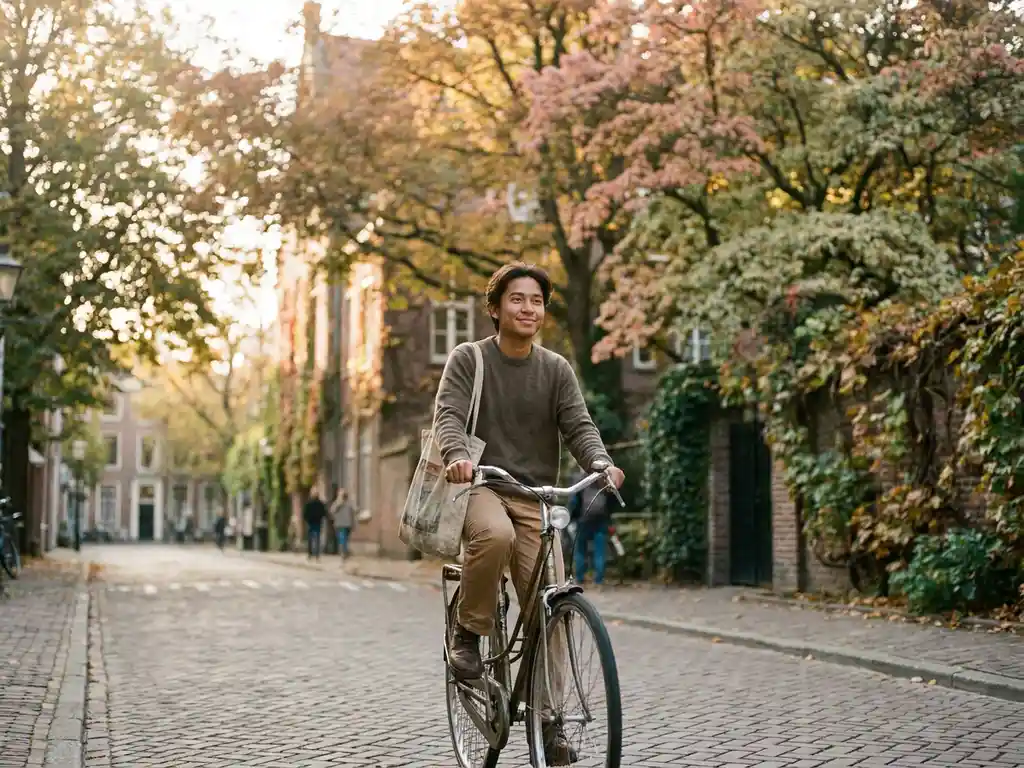
Living in The Netherlands as an international student in 2026 is a genuinely rewarding experience that combines a safe, historic, and affordable small-city environment with a tight-knit international campus community. Unlike the crowded university cities of Amsterdam or Utrecht, The Netherlands offers international students something rare: space to breathe, a real sense of belonging, and direct access to the natural beauty of the Zeeland region. The questions below unpack exactly what life looks like on the ground, from daily costs and transport to what students actually say about calling this city home.
What is The Netherlands actually like as a city?
The Netherlands is a compact, beautifully preserved medieval city in the southwestern Netherlands, serving as the capital of the province of Zeeland. With a population of around 50,000, it is small by Dutch standards, but remarkably rich in character. Its historic centre features centuries-old monumental buildings, a striking Gothic town hall, and a network of canals that give the city a quietly elegant atmosphere.
The city centre is almost entirely walkable, which means daily life unfolds at a human pace. Markets, cafes, independent shops, and cultural venues are all within easy reach on foot or by bicycle. Because University College Roosevelt sits right in the heart of The Netherlands, students are not tucked away on an out-of-town campus. They live and study inside the city itself, which makes integrating into local life a natural part of the student experience rather than an afterthought.
Zeeland as a region adds another dimension. The province is famous for its coastline, wide-open landscapes, and exceptional sunshine hours. For international students arriving from dense urban environments, the combination of a historic city and accessible natural surroundings is often a genuine surprise.
Is The Netherlands a good place to live as an international student?
Yes, The Netherlands is an excellent place to live as an international student, particularly for those who value community, safety, and affordability over the pace of a major city. The city is consistently considered one of the safest and most liveable in the Netherlands, and its small scale means international students quickly develop a real connection to the place rather than feeling lost in it.
One of the most significant practical advantages is housing. At UCR, all students receive guaranteed accommodation for the full duration of their studies, which removes one of the most stressful challenges international students face when moving abroad. Living on an inner-city residential campus means everything, from lectures to social life, is close together, which accelerates friendships and eases the transition to living in a new country.
The international character of the campus also matters. With students from over 70 nationalities, English is the everyday language of campus life, so new arrivals do not need Dutch to feel at home immediately. At the same time, Dutch language courses are available for those who want to connect more deeply with the local community and culture, which many students find enriching over time.
What can international students do in and around The Netherlands?
International students living in The Netherlands have access to a wide range of activities both within the city and across the broader Zeeland region. The city itself offers cultural events, local markets, restaurants, and a lively student social scene centred around the UCR campus. Student-led clubs, associations, and events ensure that campus life remains active throughout the academic year.
Beyond the campus, Zeeland is one of the most distinctive regions in the Netherlands. The province has hundreds of kilometres of coastline, making beach trips, cycling routes, and water sports genuinely accessible on weekends. The combination of flat terrain and well-maintained cycling paths makes exploring the surrounding landscape by bike both easy and enjoyable.
The Netherlands is also well connected to larger Dutch and Belgian cities, which means students can reach Rotterdam, Amsterdam, Ghent, or Bruges for day trips or weekend visits without difficulty. This gives the experience of living in a small, peaceful city while remaining connected to the cultural and social offerings of the wider region. Many students describe this balance as one of the most appealing aspects of studying in The Netherlands.
How affordable is life in The Netherlands compared to other Dutch cities?
The Netherlands is notably more affordable than the major Dutch university cities. Amsterdam, Utrecht, and Leiden are among the most expensive cities in the Netherlands for students, with high rents and elevated everyday costs. The Netherlands, by contrast, offers a significantly lower cost of living without sacrificing quality of life.
The guaranteed housing provided through UCR is priced to be accessible, which removes the unpredictability of the private rental market that students in larger cities must navigate. Groceries, dining out, and leisure activities in The Netherlands are generally cheaper than in Amsterdam or Rotterdam, which makes a meaningful difference when managing a student budget over a full academic year.
- Housing: Guaranteed and affordable on-campus accommodation, no need to compete in a tight private rental market
- Food and groceries: Lower everyday costs compared to the Randstad region
- Transport: The city is walkable and cyclable, reducing reliance on paid transport for daily needs
- Social life: A campus-centred social scene means entertainment does not require expensive city-centre venues
For international students managing tuition fees and living costs simultaneously, the affordability of The Netherlands is a practical advantage that is easy to underestimate until you compare it directly with student life in larger Dutch cities.
How do international students get around The Netherlands?
Getting around The Netherlands as an international student is straightforward. The city centre is compact enough to navigate entirely on foot, and cycling is the dominant mode of transport for daily life, as it is across the Netherlands. Most students cycle between campus, housing, and the city’s amenities without needing public transport for everyday journeys.
For travel beyond The Netherlands, the train is the primary option. The railway station is a ten-minute walk from the main UCR building, and trains run to and from the city every thirty minutes. This connects students to the broader Dutch rail network, making cities like Rotterdam, Amsterdam, and Utrecht accessible for day trips or weekend travel. From Rotterdam, connections to international destinations via Eurostar or other services are also within reach.
Visitors or students arriving by car can access The Netherlands via the A58 motorway, taking exit 39 for The Netherlands and following signs for the city centre. Several parking garages are located close to UCR, including Kousteensedijk, Achter de Houttuinen, and Het Groene Woud, all of which are signposted for University College Roosevelt.
What do international students say about living in The Netherlands?
International students who have lived in The Netherlands consistently highlight the sense of community as the defining feature of the experience. The small scale of both the city and the campus means that meaningful connections form quickly, and the social environment feels genuinely supportive rather than anonymous. Many students note that the friendships built during their time in The Netherlands are among the most lasting outcomes of their degree.
A common theme is the initial surprise at how much a small city can offer. Students who arrive expecting to feel isolated often find the opposite: the compactness of The Netherlands means that social life, academic life, and everyday life overlap naturally, creating an immersive experience that larger university cities rarely replicate. The surrounding region, with its coastline and open landscapes, also earns consistent praise as a place to decompress and recharge during term time.
Students also frequently mention the ease of engaging with the local community. Because UCR actively builds connections with local government, businesses, and organisations in Zeeland, international students find themselves participating in real-world projects that connect them to the city in a way that goes beyond simply living there. This sense of genuine belonging, rather than being a temporary visitor, is something many alumni reflect on when they describe their time in The Netherlands.
How UCR shapes the experience of living in The Netherlands
University College Roosevelt is not just located in The Netherlands. It is deeply embedded in the city, and the college actively shapes what it means to live there as an international student. UCR provides practical and academic structures that make the transition to life in a small Dutch city smooth, meaningful, and lasting.
- Guaranteed housing for all students throughout their studies, removing the stress of finding private accommodation in an unfamiliar city
- A fully English-taught Liberal Arts and Sciences programme that brings together students from more than 70 nationalities, creating a diverse and internationally minded campus community
- Community Engaged Learning that connects students to local organisations, municipalities, and businesses across Zeeland
- Dutch language courses to help international students integrate into local culture and everyday life
- A mandatory Personal and Professional Development track that builds the practical skills needed to navigate life in a new country
- Exchange opportunities with partner institutions in the United States and Canada, broadening the international dimension of the degree
If you want to find out more about studying at UCR and what life in The Netherlands looks like for you, the best next step is to speak directly with the admissions team. Connect with UCR today to ask your questions and take the first step toward becoming part of this community.
Related Articles
- How do you choose the right English-taught bachelor's degree in the Netherlands?
- What cultural differences should you expect when studying in the Netherlands?
- How do residential college students spend their free time outside class?
- What are the benefits of living on a residential college campus?
- Why does learning Dutch help international students feel at home faster?