


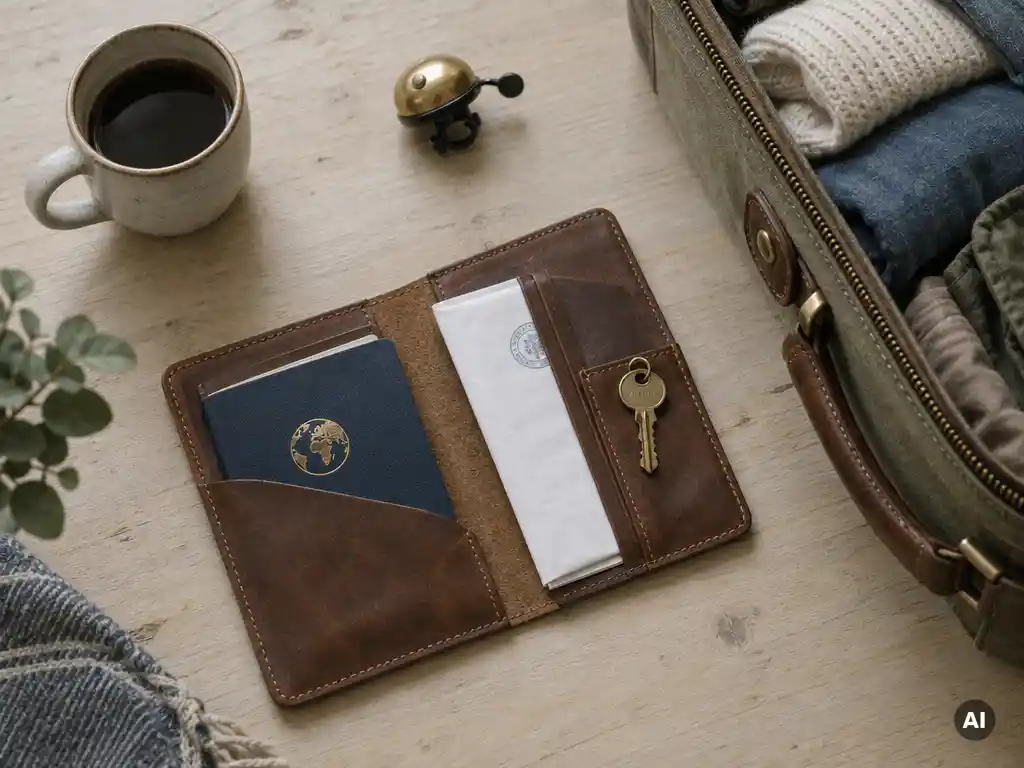
International students should arrange four things before arriving in the Netherlands: any visa or residence permit, confirmed accommodation, health insurance and a working bank setup, and the key documents and essentials for arrival. Starting these steps early, ideally several months before departure, prevents the delays that most often disrupt a first semester.
The exact requirements depend on your nationality and your university, so always confirm details with your institution and official Dutch government sources. The questions below cover each stage in the order you are likely to face it.
Do international students need a visa or residence permit?
It depends on your nationality. Students from the EU, EEA and Switzerland do not need a visa or residence permit to study in the Netherlands. Most students from other countries do need a residence permit, and some also need a long-stay visa (MVV) to enter the country first.
In most cases the university applies for the residence permit on the student’s behalf with the Dutch Immigration and Naturalisation Service (IND), once you have been admitted and have met the financial requirements. Because processing takes time, it is worth checking your requirements as soon as you accept an offer of admission.
Key points to check early:
- Your nationality: The official IND website lists whether you need an MVV and a residence permit.
- Passport validity: Make sure your passport is valid for the whole of your intended stay, and renew it now if it is not.
- Proof of sufficient funds: Non-EU students typically need to show they can cover living costs for the year, so gather bank documents in good time.
- Your university’s international office: They will tell you which documents to submit and by when.
Never rely on forum posts or second-hand advice for immigration rules, as requirements change. Always check the IND and your university’s own guidance.
How early should students secure housing?
Students should secure housing as early as possible, ideally as soon as they are admitted and before they book travel. The Dutch rental market is competitive, particularly in university towns, and finding a room at short notice can be difficult and expensive.
Some institutions help by offering or guaranteeing student accommodation. If yours does, apply by the stated deadline and keep every confirmation in writing. If it does not, start your search months ahead and consider these options:
- University housing services: Often the safest first stop for newly arriving students.
- Student housing associations: These manage rooms specifically for students, though waiting lists can be long.
- Private rentals: Flexible but pricier, and more exposed to scams, so never pay a deposit before you have seen a contract.
Whichever route you choose, ask about the length of the contract, what the rent includes (utilities, internet, furnishing), and the size of the deposit. You will also need a confirmed address to register with your municipality after arrival, so a stable booking matters beyond simply having a place to sleep.
What insurance and finances need to be in place?
Students need health insurance that covers them from the day they arrive, a way to pay tuition and living costs, and ideally a Dutch bank account soon after landing. The exact insurance depends on whether you work, your nationality and your living situation, so verify the rules that apply to you.
Health and other insurance
Health cover is essential. Some students must take out Dutch basic health insurance, while others may be covered by a private international policy or a European Health Insurance Card (EHIC) for short stays. Rules differ by situation, so check the official Dutch government guidance or ask your university which applies to you. Many students also consider liability and contents insurance for their belongings and room.
Budgeting and banking
Before you travel, work out a realistic monthly budget covering rent, food, transport, books and social activities, and keep proof of funds if your permit requires it. Bring a bank card that works abroad for the first few weeks, then open a Dutch account once you have your registration details. A local account makes day-to-day payments, rent and utility bills far easier, since many Dutch services rely on local bank transfers and debit cards.
Check current tuition fees, any scholarships you may be eligible for, and payment deadlines directly with your institution, as these change from year to year. If you are planning an exchange student programme as part of your degree, also confirm how fees and insurance work with both your home and host universities.
What should be packed and prepared for arrival?
Pack your essential documents, weather-appropriate clothing, a power adapter and a few comforts from home, and leave bulky items to buy locally. Keep important papers in your hand luggage so they are never lost with a checked bag.
Documents to carry with you:
- Passport, plus visa or residence permit paperwork where applicable
- Admission letter and proof of accommodation
- Insurance documents
- Original or certified copies of your diplomas and transcripts
- Birth certificate, which may be needed for municipal registration (check whether it needs to be legalised or translated)
- Some euros in cash and a working bank card
The Netherlands has a mild but changeable climate, with frequent rain and wind, so a good waterproof jacket is more useful than an umbrella. Dutch plugs are Type C and F, so bring a suitable adapter. Many students cycle, so budget for a second-hand bike and a solid lock rather than packing one. It is also sensible to plan how you will travel from the airport to your accommodation, including the first-night route if you arrive late.
What admin steps follow once students have arrived?
After arriving, students should register their address with the local municipality, obtain a citizen service number (BSN), collect any residence permit card, open a bank account and arrange their health insurance. Do these promptly, as several other services depend on your BSN.
A typical order looks like this:
- Register with the municipality: Book an appointment and bring your passport, proof of address and other requested documents. Registration usually results in your BSN.
- Collect your residence permit: If you needed one, you will usually be invited to collect it from the IND.
- Open a Dutch bank account: You will typically need your BSN and proof of enrolment.
- Confirm your insurance: Make sure cover is active and any required Dutch policy is in place.
- Enrol on campus: Complete orientation, collect your student card and set up your university accounts.
Appointments can book up quickly at the start of the academic year, so request yours as soon as you know your arrival date. It also pays to learn a few basic Dutch phrases, which make everyday tasks smoother and help you settle in.
Explore your study options at University College Roosevelt
If you are weighing up where to study in the Netherlands, it helps to choose a place where practical matters like housing and settling in are well supported. University College Roosevelt (UCR) is a small, international honours college in Middelburg, part of Utrecht University, offering an English-taught liberal arts degree with a B.A. or B.Sc. from Utrecht University. Admission is selective, with defined requirements and an application process, so it is worth reading the details early.
- Guaranteed student housing: All students live on UCR’s residential campus in Middelburg’s historic centre, removing one of the biggest arrival worries.
- A close international community: Around 500 students from over 70 nationalities learn and live together, making it easier to find your feet.
- Personalised, interdisciplinary learning: Students design their own curriculum across disciplines, with exchange options available through UCR and Utrecht University.
Learn more about UCR’s education and what daily life on campus looks like, then connect with University College Roosevelt to ask the admissions team your questions.
Frequently Asked Questions
What if my residence permit or MVV hasn't been approved by the time my semester starts?
Contact your university’s international office immediately, as they handle the application with the IND and can tell you the current status and your options. Do not travel to the Netherlands to begin your studies until you have confirmed that you are allowed to enter, since non-EU students often need the MVV or permit approval first. Many institutions can advise on late arrival or deferral if processing is delayed, so raise the issue as early as possible rather than waiting until the last minute.
How can I avoid rental scams when searching for housing from abroad?
Never transfer a deposit or rent before you have seen a written contract and, where possible, verified the landlord’s identity and the property through a video viewing or a trusted contact. Be cautious of listings priced far below the market rate or landlords who say they are abroad and ask for payment up front. Starting with your university housing service or a recognised student housing association is the safest route, and you can ask the international office to review anything that looks suspicious.
Can I open a Dutch bank account before I arrive in the Netherlands?
In most cases you will need your BSN and proof of address or enrolment, which you only get after arriving and registering with the municipality, so opening an account beforehand is usually not possible. Some banks and online providers offer special accounts for international students, so check their requirements before you travel. In the meantime, bring a bank card that works abroad and some euros in cash to cover your first few weeks.
What if I can't get a municipality appointment soon after I arrive?
Book your appointment as soon as you know your arrival date, since slots fill up quickly at the start of the academic year. If none are available, check whether your university runs a group registration or arrival service, as many do for new international students. You can also check your municipality’s website regularly for cancellations or additional appointment slots.
Do I need to arrange my own health insurance if I have cover from my home country?
It depends on your nationality, whether you will work, and the type of policy you hold, so don’t assume your home cover is enough. Some students are required to take out Dutch basic health insurance, while others can use a private international policy or an EHIC for a short stay. Confirm with your university and official Dutch government guidance before you travel, and make sure your cover is active from your first day in the country.
How do I get my documents legalised or translated for municipal registration?
Check the requirements of the municipality where you will live, as they specify whether documents like your birth certificate need an apostille, legalisation or a certified translation. Start this process well before you leave, because obtaining these from your home country after arrival can take weeks. Ask your university’s international office to confirm which documents you need, and keep both the originals and certified copies in your hand luggage.
What is the best way to get started if I'm feeling overwhelmed by the pre-arrival to-do list?
Begin with a timeline built backwards from your arrival date, putting the longest-lead items first: residence permit or visa, then housing, then insurance, then travel and packing. Check your university’s international student pages, since many provide a pre-arrival checklist and deadlines tailored to your situation. Choosing a programme that guarantees housing and offers strong arrival support can also remove several of the biggest tasks from your list.
Related Articles
- How much do non-EU students pay for a bachelor's degree in the Netherlands?
- Can you combine data science and sustainability at university?
- How do you get involved in extracurricular activities at university?
- What does a typical day look like for a residential college student?
- How does the Dutch directness affect international students socially?