


Student life in the Netherlands is vibrant, international, and genuinely affordable by Western European standards. Universities here attract students from across the globe, and the Dutch higher education system is well-regarded for its interactive teaching style, English-taught programmes, and strong emphasis on student independence. Whether you are weighing up costs, housing, social life, or language requirements, this guide answers the questions international students ask most.
What is daily life like for international students in the Netherlands?
Daily life for international students in the Netherlands is active, social, and structured around a strong sense of community. Dutch university towns are compact and cycle-friendly, making it easy to move between campus, housing, and the city centre. Classes tend to be discussion-based and interactive, and students are expected to participate, question, and engage rather than simply absorb lectures.
Outside the classroom, life revolves around student associations, sports facilities, cultural events, and the kind of informal socialising that happens naturally in a residential or campus setting. The Netherlands has a long tradition of student clubs covering everything from debating and theatre to rowing and entrepreneurship, and joining one is one of the fastest ways to build a social network.
Middelburg, where University College Roosevelt is based, offers a particularly intimate version of this experience. With a historic city centre, easy access to Zeeland’s coastline, and a campus community of around 500 students, daily life here feels genuinely close-knit. Students interact with faculty and staff regularly, not just in scheduled class time, and the boundaries between academic life and social life are refreshingly blurred.
How affordable is student life in the Netherlands?
Student life in the Netherlands is moderately affordable compared to the UK or Scandinavia, though costs vary depending on your lifestyle and location. Most international students budget between €900 and €1,300 per month to cover rent, food, transport, and personal expenses, with housing typically being the largest single cost.
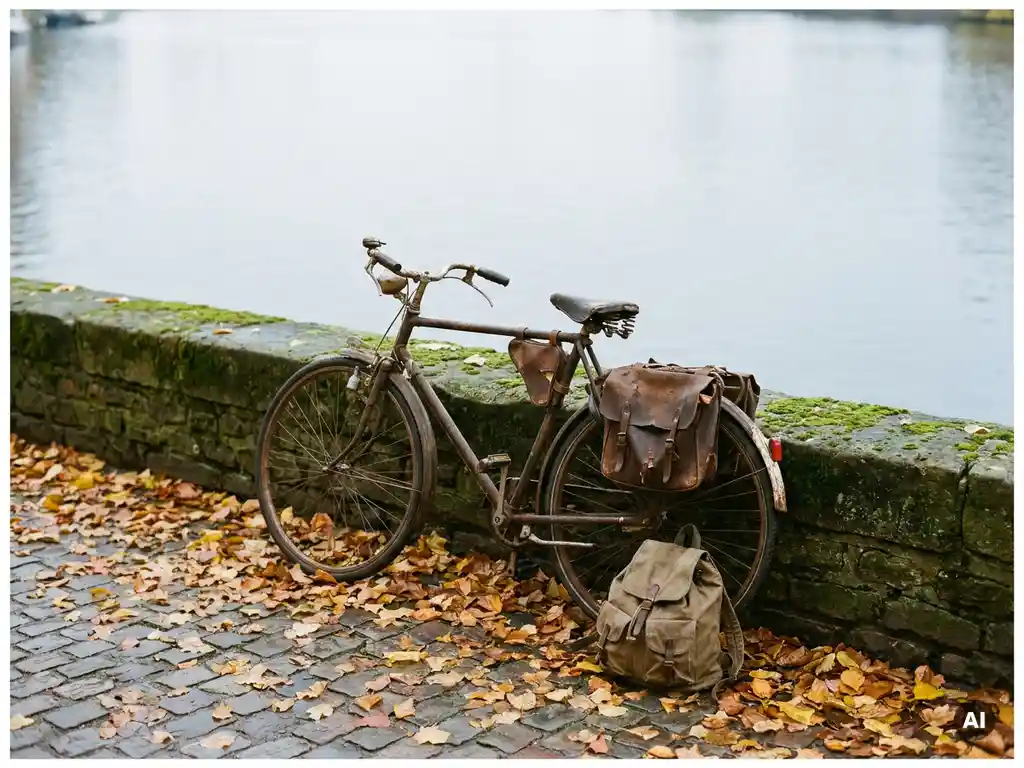
Cycling is the dominant mode of transport and costs almost nothing once you own a bike. Supermarkets are well-stocked and reasonably priced, and student discounts apply at many cultural venues, public transport services, and sports facilities. Eating out can add up, but cooking at home with housemates is both common and economical.
Tuition fees in the Netherlands are set by the government for EU students and vary for non-EU students depending on the institution and programme. Many universities and colleges offer scholarships, grants, and financial support packages specifically designed for international students. It is worth researching these options early in the application process, as deadlines often fall well before the academic year begins.
What is the social scene like for students in the Netherlands?
The social scene for students in the Netherlands is diverse, inclusive, and largely student-driven. Dutch universities have a strong culture of student associations and societies, and these form the backbone of social life for many students. From sports teams and cultural clubs to academic societies and volunteer organisations, there is almost always something to get involved in.
Dutch students tend to be direct, open, and pragmatic in social settings, which can feel refreshing for international students used to more formal social norms. Making friends across nationalities is straightforward in an environment where English is widely spoken and international students are a normal part of campus life.
At smaller colleges like UCR, the social scene is especially easy to navigate because the community is compact. With over 20 student-run societies and a residential campus in the heart of Middelburg, students find that friendships form quickly and feel genuine rather than transactional. Events, debates, performances, and informal gatherings happen regularly throughout the academic year, and with over 70 nationalities represented, the cultural mix makes social life genuinely enriching.
How does housing work for students in the Netherlands?
Housing for students in the Netherlands varies significantly depending on the institution. At most large Dutch universities, students must find their own accommodation through housing platforms, student housing corporations, or private landlords, and competition for affordable rooms in cities like Amsterdam, Utrecht, and Delft can be intense. Starting your search early is strongly advised.
Some smaller residential colleges take a different approach entirely. UCR, for example, guarantees housing for all students for the full duration of their studies. This means every student has a secure, affordable place to live on the inner-city campus in Middelburg from day one, removing one of the most stressful elements of starting university abroad.
This residential model does more than solve a logistical problem. Living alongside fellow students, faculty, and staff in a shared campus environment creates a sense of belonging that is harder to replicate when students are scattered across a city. Friendships deepen, study groups form naturally, and the line between academic life and personal growth becomes productively blurred.
What languages do you need to study in the Netherlands?
You do not need to speak Dutch to study in the Netherlands. A large and growing number of bachelor’s and master’s programmes are taught entirely in English, and international students routinely complete their full degree without learning Dutch. English proficiency, typically demonstrated through IELTS or TOEFL, is the primary language requirement for most English-taught programmes.
That said, learning some Dutch will meaningfully improve your daily experience. Outside university, Dutch is the language of shops, local services, and everyday interaction, and making an effort with the language is appreciated by locals. Many institutions offer Dutch language courses specifically for international students to help them settle in more comfortably.
At UCR, Dutch language courses are available as part of the curriculum, giving international students a practical route into Dutch culture and society without it being a barrier to entry. The programme itself is fully English-taught, so academic work, seminars, and assessments all take place in English, making it accessible to students from anywhere in the world.
How does studying in the Netherlands compare to the UK or the US?
Studying in the Netherlands differs from the UK and the US in several meaningful ways, covering teaching style, cost, degree structure, and campus culture. Understanding these differences helps prospective international students make a genuinely informed choice rather than simply defaulting to familiar systems.
Teaching style and academic culture
Dutch higher education places a strong emphasis on student participation, critical thinking, and independent learning. Seminars and tutorials are common, and students are expected to contribute actively rather than attend large passive lectures. This contrasts with the traditional lecture-heavy model still common at many UK and US universities, and it tends to suit students who want to develop their voice and analytical skills early.
Cost and value
Studying in the Netherlands is generally more affordable than the UK or the US, particularly for EU students who benefit from regulated tuition fees. Non-EU students pay higher fees, but these are still often lower than equivalent programmes at leading UK or American institutions. Living costs in Dutch university towns outside the major cities are also more manageable than in London or New York.
Degree structure and flexibility
Dutch bachelor’s degrees typically run for three years, compared to four years in the US and three or four in the UK. Some institutions, particularly liberal arts and sciences colleges, offer significantly more curriculum flexibility than is typical in either the UK or the US, allowing students to design a personalised academic path across multiple disciplines rather than committing to a single subject from day one.
How UCR supports your student life in the Netherlands
University College Roosevelt is designed specifically to give international students a rich, supported, and genuinely distinctive experience of living and studying in the Netherlands. Here is what sets the UCR experience apart:
- Guaranteed housing for all students throughout their studies, removing the stress of finding accommodation in a competitive market
- A fully English-taught programme leading to a BA or BSc from Utrecht University, open to students from around the world
- A close-knit campus community of around 500 students from over 70 nationalities, based in the historic centre of Middelburg
- A flexible, interdisciplinary curriculum with 160+ courses across six clusters, allowing you to shape your own academic path
- Personal and Professional Development built into every student’s journey, covering communication, teamwork, and career readiness
- Dutch language courses for international students who want to connect more deeply with Dutch culture and everyday life
- Exchange opportunities through Utrecht University’s global network, including partner institutions in the US and Canada
If you are ready to explore what studying at UCR could look like for you, get in touch with the admissions team to learn more about the application process, financial support options, and life on campus.
Frequently Asked Questions
How early should I start the application process for studying in the Netherlands as an international student?
Ideally, you should begin your research and application preparation at least 12 to 18 months before your intended start date. Scholarship deadlines in particular often fall several months before the academic year begins, so missing them can mean losing out on significant financial support. For institutions like UCR, it is worth contacting the admissions team early to understand rolling deadlines, required documents such as IELTS or TOEFL scores, and any programme-specific requirements.
What are the most common mistakes international students make when budgeting for life in the Netherlands?
The most frequent mistake is underestimating one-time start-up costs such as a bicycle, bedding, kitchen essentials, and the deposit on accommodation, which can add several hundred euros to your first month’s expenses. Students also tend to underbudget for social activities and eating out, which are easy costs to overlook when planning on paper. Building a small buffer of €300 to €500 into your initial budget will help you settle in without financial stress before your routine is established.
Is it difficult to make friends as an international student if you don't speak Dutch?
Not at all. English is widely spoken across the Netherlands, including in shops, restaurants, and everyday social settings, so the language barrier is minimal in practice. At international-facing institutions, the entire student community communicates in English, and with dozens of nationalities represented on campus, being a newcomer is the norm rather than the exception. Joining a student society or club in your first few weeks is one of the most effective ways to build genuine friendships quickly.
What should I do if I struggle academically with the interactive, discussion-based teaching style used in Dutch universities?
It is completely normal to find the adjustment challenging, especially if you come from an education system that prioritises lectures and written exams over discussion and participation. Most Dutch institutions offer academic support services, tutoring, and study skills workshops to help students adapt. At smaller colleges like UCR, the close relationship between students and faculty means you can raise concerns directly with your tutor or professor early on, before small difficulties become larger problems.
Can I work part-time while studying in the Netherlands as a non-EU student?
Yes, non-EU international students in the Netherlands are generally permitted to work part-time, typically up to 16 hours per week during term time, with the option to work full-time during summer months, provided you hold the appropriate residence permit. It is important to check the specific conditions attached to your visa or permit before taking on employment, as rules can vary. Many students use part-time work not only to supplement their income but also as a way to practise Dutch and integrate more deeply into local life.
How does the liberal arts and sciences model at colleges like UCR differ from a traditional degree, and is it recognised by employers?
A liberal arts and sciences degree allows you to study across multiple disciplines, combining subjects from the sciences, social sciences, and humanities rather than specialising in a single field from day one. This model is well-established internationally and is increasingly valued by employers who seek graduates with critical thinking, communication, and adaptability skills that cross disciplinary boundaries. Degrees awarded through institutions affiliated with major Dutch research universities, such as UCR’s BA and BSc through Utrecht University, carry the same academic recognition as any other Utrecht University degree.
What options are available if I want to study abroad or gain international experience during my degree in the Netherlands?
Many Dutch universities and colleges have extensive exchange partnerships with institutions across Europe, North America, Asia, and beyond, giving students the opportunity to spend a semester or full year studying abroad. At UCR, students can access Utrecht University’s global partner network, which includes institutions in the US and Canada, making it possible to gain a genuinely international academic experience even within a three-year programme. It is advisable to plan for an exchange from your first year, as competitive placements fill quickly and require academic preparation in advance.
Related Articles
- What part-time jobs can international students do in the Netherlands?
- Can being part of a student club help you find your career direction?
- What is it really like to study in the Netherlands as an international student?
- How do international students make friends in a small Dutch university town?
- How does the Dutch healthcare system work for international students?